
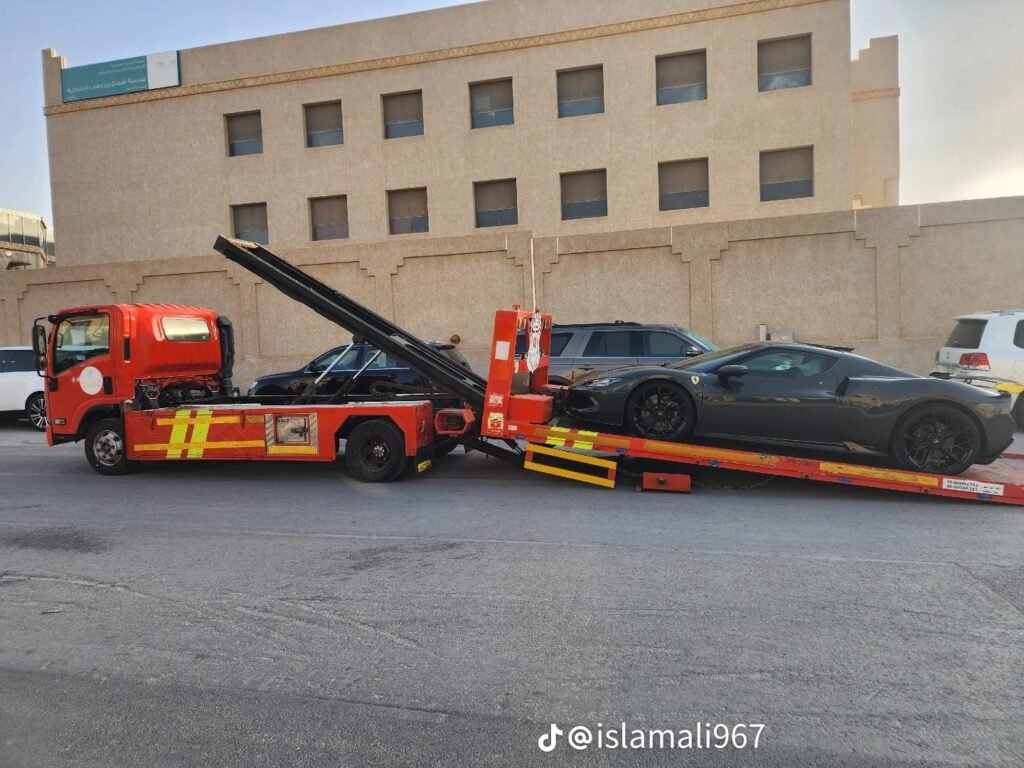
A vehicle breakdown on a highway can be more stressful than a normal roadside problem. Traffic may be moving quickly, there may be limited places to stop, and continuing to drive a damaged vehicle can create additional risks. In these situations, reliable Highway Road Assistance can help drivers manage unexpected vehicle problems safely.
Highway assistance can be useful for breakdowns, flat tyres, battery problems, fuel issues, accidents, and vehicles that need to be transported to a workshop or another destination. Knowing what to do while waiting for help can also make a roadside emergency easier to handle.
1. Move Your Vehicle to a Safe Position
If your vehicle develops a problem while travelling on a highway, safety should come first. If the car can still be moved safely, try to get it away from moving traffic and stop in a suitable safe area.
Turn on the hazard lights so other drivers can see your vehicle. Avoid standing directly beside the traffic lane, especially where vehicles are travelling at high speed.
When requesting Highway Road Assistance, provide your exact location and direction of travel. Sharing a live location can also help the assistance team identify where you are.
2. Do Not Continue Driving a Dangerous Vehicle
Sometimes a vehicle may still move even though it has a serious problem. However, being able to drive does not always mean that it is safe to continue.
Warning signs such as unusual noises, overheating, smoke, severe vibration, damaged tyres, steering problems, or warning lights may indicate that the vehicle should be stopped and inspected.
If you are unsure whether your vehicle is safe to drive, contact Highway Road Assistance and explain the symptoms instead of taking unnecessary risks.
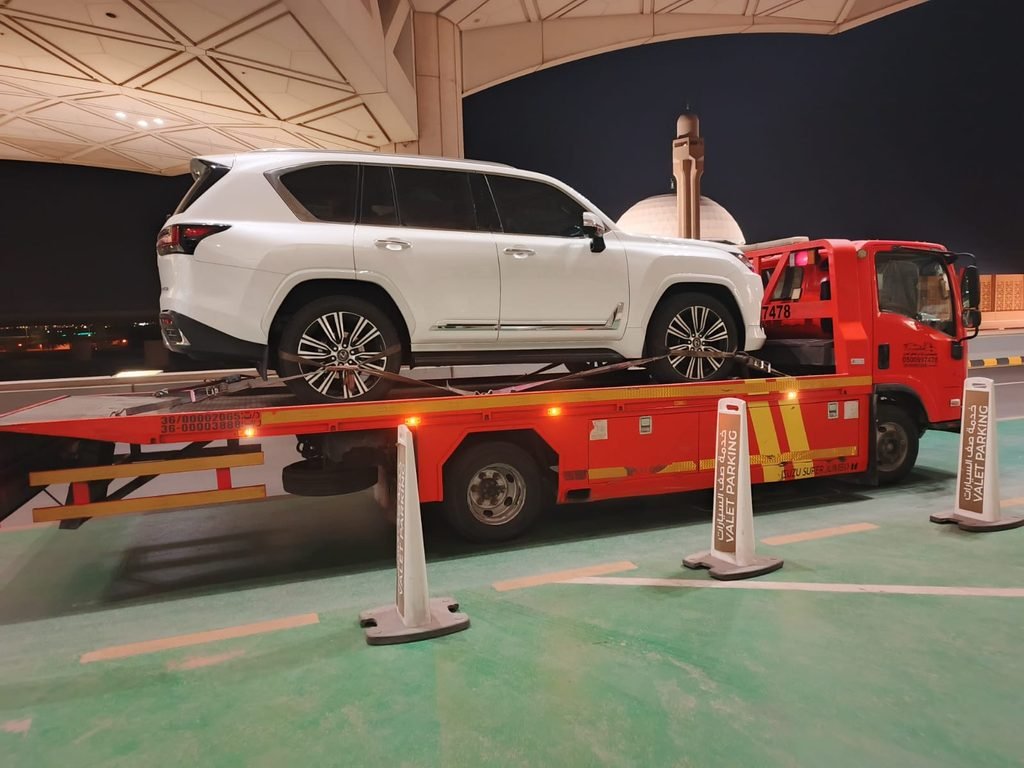
3. Highway Breakdown Assistance
Mechanical problems can happen without warning. Engine issues, overheating, electrical faults, battery problems, and transmission problems can leave a vehicle unable to continue.
When requesting Highway Road Assistance, explain what happened before the vehicle stopped. Tell the assistance provider whether the engine starts, whether the vehicle can move, and whether there are any warning lights or unusual sounds.
If the problem cannot be resolved at the roadside, towing may be required to transport the vehicle to a workshop or another safe destination.
4. Flat Tyre Assistance on Highways
A flat or damaged tyre can become particularly dangerous on a busy highway. Driving on a severely damaged tyre can affect vehicle control and may cause additional damage.
If you experience a flat tyre, slow down safely when possible and move to an appropriate location away from traffic. Turn on your hazard lights and request assistance.
Highway Road Assistance may be able to provide tyre-related roadside support or arrange vehicle recovery when the tyre cannot be safely replaced at the location.
5. Battery Problems During a Highway Journey
A discharged battery can leave a vehicle unable to start, even after a long journey. Electrical problems or leaving lights and accessories running can also contribute to battery issues.
If your vehicle stops and will not restart, avoid repeatedly trying to start it. Contact roadside assistance and explain that the vehicle is not starting.
Depending on the situation and available service, Highway Road Assistance may provide battery-related support. If the vehicle still cannot operate, towing may be necessary.
6. Accident Recovery on Highways
Highway accidents require particular care because of surrounding traffic. After an accident, move to a safe position if possible and follow appropriate emergency procedures.
Do not attempt to drive a vehicle with serious damage simply because the engine still starts. Damaged tyres, wheels, steering, suspension, or other components can affect the vehicle’s safety.
Highway Road Assistance may include vehicle recovery after an accident. Provide information about the vehicle’s condition and location so the appropriate recovery equipment can be considered.
7. Give Accurate Location Information
Finding a vehicle on a highway can be more difficult than finding one at a normal street address. This is why accurate location information is extremely important.
When requesting Highway Road Assistance, provide:
- Highway or road name
- Direction of travel
- Nearest exit or interchange
- Nearby landmark
- Vehicle make and model
- Vehicle colour
- Exact location or live location
- Description of the problem
If you can safely identify a nearby sign, exit, service area, or landmark, include that information as well.
Highway Road Assistance for Long-Distance Travel
Drivers travelling between cities may spend long periods on highways. A breakdown far from the city can be especially inconvenient because nearby workshops or services may not be easy to access.
In such situations, Highway Road Assistance can help determine whether the vehicle can be repaired at the roadside or needs transportation.
If towing is required, tell the provider where you need the vehicle taken. This could be a workshop, home, or another suitable destination.
Flatbed Towing After a Highway Breakdown
Some vehicles should not be towed with their wheels on the road, particularly when they have serious damage or specific transportation requirements.
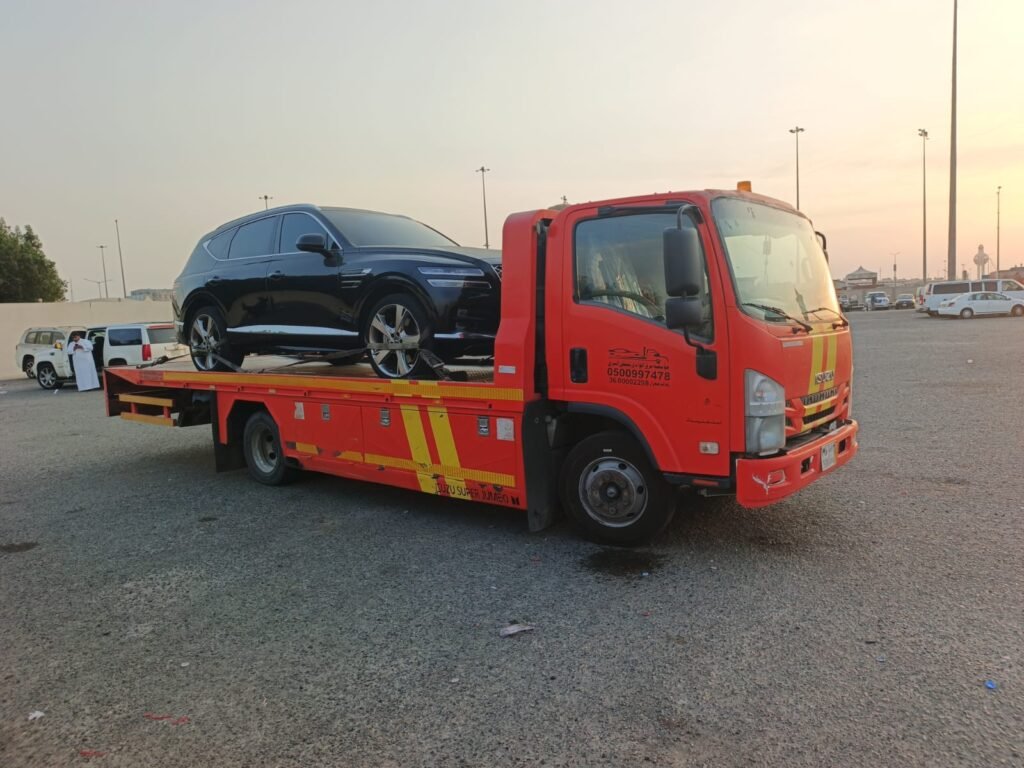
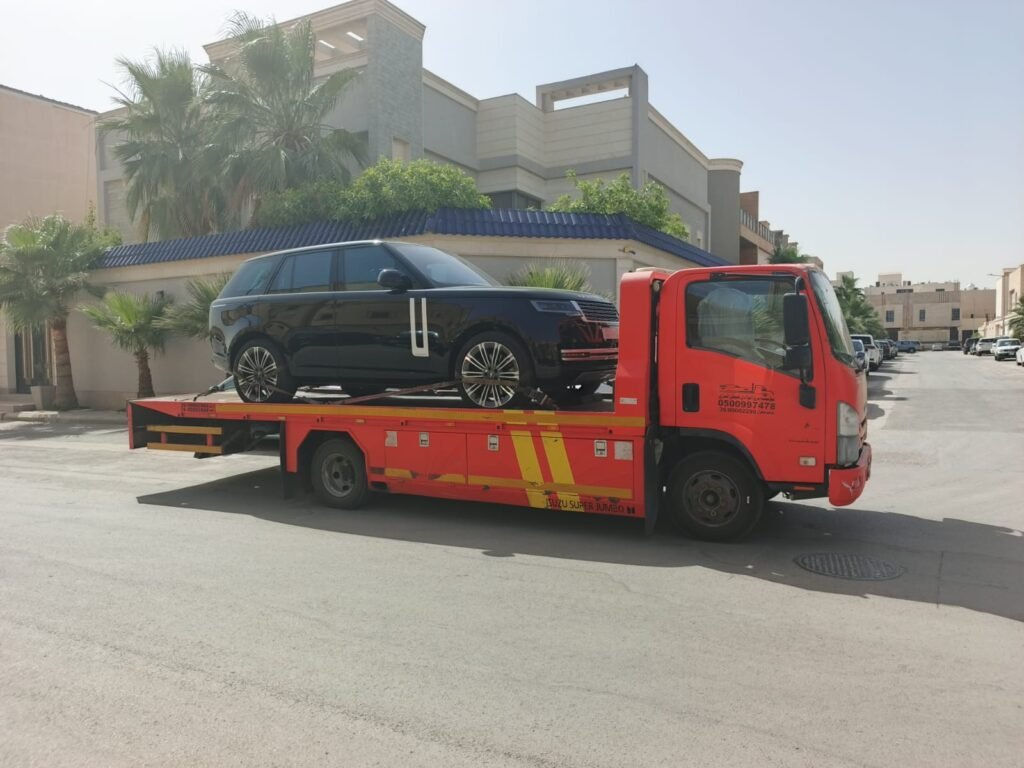
Flatbed towing allows the vehicle to be transported on a platform rather than being driven. It can be considered for non-running vehicles, accident-damaged cars, and vehicles requiring careful transportation.
If you need Highway Road Assistance, provide the vehicle details and explain its condition so the appropriate towing method can be considered.
What to Do While Waiting for Assistance
Once you have requested assistance, remain in a safe position. Keep your hazard lights on when appropriate and stay alert to approaching traffic.
Avoid attempting complicated repairs beside a busy highway. If you have passengers, make sure everyone remains in a safe location away from moving traffic whenever possible.
Keep your phone available so the assistance provider can contact you if additional location information is needed.
Highway Road Assistance for Different Vehicle Problems
Highway emergencies can involve many different problems, including:
- Engine breakdowns
- Dead batteries
- Flat or damaged tyres
- Fuel-related problems
- Overheating
- Accident damage
- Electrical faults
- Transmission problems
- Non-running vehicles
- Vehicles requiring workshop transport
Each situation may require a different type of roadside support or recovery equipment.
Why Preparation Matters
A few simple preparations can make a highway emergency easier to manage. Check your tyres regularly, maintain your vehicle according to the manufacturer’s recommendations, and pay attention to warning lights and unusual changes in vehicle performance.
It is also useful to keep emergency contact information available and make sure your mobile phone has sufficient battery.
If you travel long distances regularly, knowing how to request Highway Road Assistance before an emergency occurs can save valuable time when a problem happens.
Final Thoughts
A highway breakdown can be stressful because of fast-moving traffic and limited safe stopping locations. The most important steps are to protect yourself and your passengers, move the vehicle to a safe position when possible, and communicate your exact location clearly.
From breakdowns and flat tyres to battery problems, accidents, and vehicle towing, Highway Road Assistance can provide practical support when a driver cannot safely continue the journey.
If your vehicle develops a serious problem, avoid unnecessary driving and explain the vehicle’s condition clearly when requesting assistance. The right roadside support or recovery solution can help get the vehicle safely to an appropriate destination.