
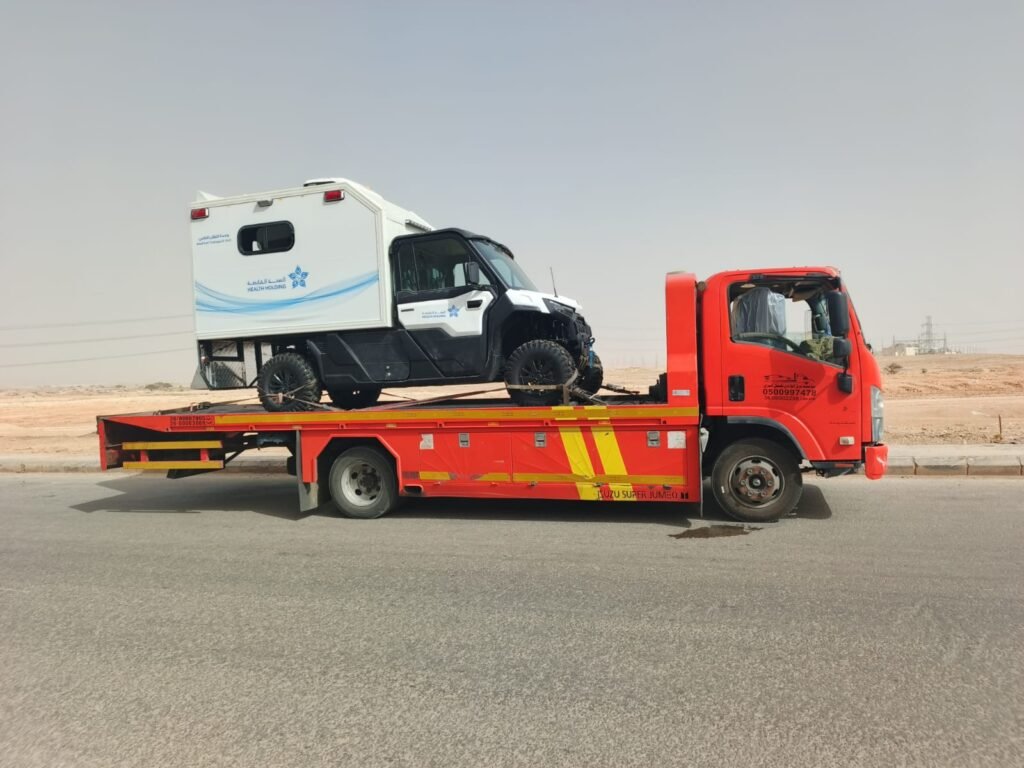
A vehicle problem can happen when you least expect it. Your car may stop working during a daily commute, develop a flat tyre on a busy road, run out of fuel, or become difficult to drive after an accident. In these situations, having access to dependable Emergency Road Assistance can make the situation easier to manage.
Emergency roadside support is designed to help drivers deal with unexpected vehicle problems and determine whether the car can be repaired at the roadside or needs to be transported to another location. For drivers in Riyadh, understanding what to do during a roadside emergency can also improve safety while waiting for assistance.
1. Move to a Safe Location When Possible
Safety should be the first priority when your vehicle develops a problem on the road. If the car can still move safely, try to position it away from moving traffic and in a suitable safe area.
Turn on the hazard lights and remain aware of surrounding traffic. If the vehicle has stopped in a dangerous location, avoid standing close to moving vehicles.
When requesting Emergency Road Assistance, provide the exact location of the vehicle. A live location can make it easier for the assistance team to identify where help is needed.
2. Explain the Vehicle Problem Clearly
Before assistance arrives, try to identify what happened. Did the engine suddenly stop? Is the battery dead? Is there a flat tyre? Did the vehicle run out of fuel?
You do not need to diagnose the mechanical problem yourself. Simply describing the symptoms can help the service provider understand the situation.
For example, tell them whether the vehicle starts, whether the engine turns over, whether the wheels can move, and whether there is visible damage.
This information is particularly useful when arranging Emergency Road Assistance because different problems may require different equipment or services.
3. Battery Problems May Need Roadside Assistance
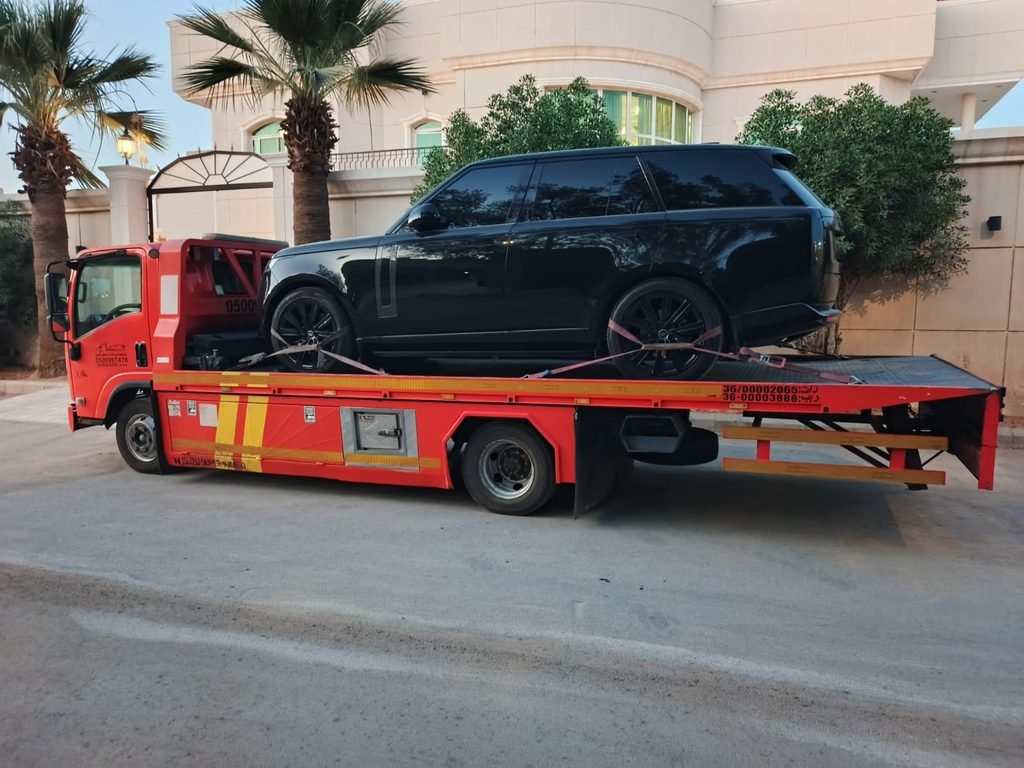
A dead battery is one of the common reasons drivers may require roadside help. A vehicle may fail to start because of a discharged battery or another electrical issue.
Depending on the situation, roadside assistance may include battery-related support such as a jump-start. If the vehicle starts after assistance but the underlying issue remains, the driver may still need to have the vehicle inspected.
When contacting Emergency Road Assistance, mention that the vehicle is not starting and describe what happens when you turn the key or press the start button.
4. Flat Tyres Can Leave You Stranded
A flat tyre can make a vehicle unsafe or impossible to drive. Continuing to drive on a severely damaged or flat tyre can cause additional damage to the tyre or wheel.
If you experience a flat tyre, move to a safe location if possible and contact roadside assistance. Depending on the vehicle and circumstances, assistance may involve changing the tyre or arranging vehicle recovery.
Emergency Road Assistance can be especially useful when the driver does not have the necessary tools, does not have a usable spare tyre, or cannot safely change the tyre at the roadside.
5. Fuel Problems Can Happen Unexpectedly
Running out of fuel can leave a vehicle stopped in an inconvenient location. This can be particularly stressful when the driver is unfamiliar with the area or is travelling on a busy road.
If your vehicle has run out of fuel, provide your exact location and vehicle details when requesting help. Depending on the available service, roadside assistance may be able to provide fuel-related support.
If the vehicle still does not start after adding fuel, further diagnosis or towing may be necessary.
6. Accident Recovery Requires Extra Care
After an accident, a vehicle should not be driven if there is visible damage that could make it unsafe. Damaged wheels, steering components, tyres, suspension, or other important parts can affect the vehicle’s ability to move safely.
In such situations, Emergency Road Assistance may involve vehicle recovery rather than a simple roadside repair.
Tell the assistance provider about the accident and any visible damage. If the vehicle cannot move, explain this clearly so suitable recovery equipment can be considered.
7. Know When Your Vehicle Needs Towing
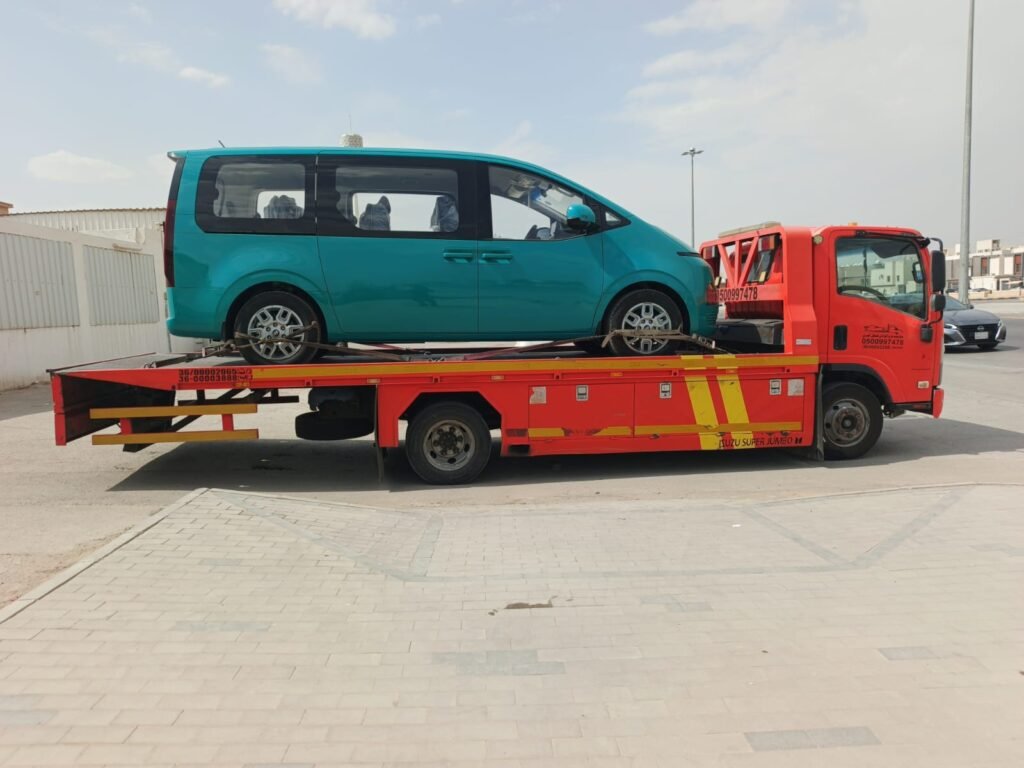
Some roadside problems can be resolved at the location, while others require the vehicle to be transported.
You may need towing when:
- The vehicle will not start
- The car cannot be driven safely
- The vehicle has serious mechanical damage
- The car has been involved in an accident
- A wheel or tyre is badly damaged
- The vehicle has transmission problems
- The vehicle needs to be taken to a workshop
- The vehicle is in a difficult or unsafe location
When arranging Emergency Road Assistance, explain the condition of the vehicle before the towing team arrives. This helps determine what type of recovery approach may be appropriate.
Emergency Road Assistance for Different Vehicle Types
Different vehicles can have different recovery requirements. A small passenger car, SUV, luxury vehicle, 4×4, or low-clearance vehicle may require different handling.
If your vehicle has special characteristics, mention them when booking assistance. For example, a low-clearance car may require careful loading, while a vehicle with damaged wheels may need appropriate recovery equipment.
Providing the vehicle’s make, model, and condition can help the service provider prepare for the situation.
What Information Should You Give the Assistance Team?
When requesting roadside help, try to provide the following information:
- Exact vehicle location
- Vehicle make and model
- Colour of the vehicle
- Nature of the problem
- Whether the engine starts
- Whether the vehicle can move
- Visible accident damage
- Your destination if towing is required
A live location or nearby landmark can also help the assistance team find you more easily.
Emergency Road Assistance in Riyadh
Riyadh has busy roads, residential areas, commercial districts, and major routes where a vehicle problem can become stressful. Drivers may need assistance for different reasons, from simple battery problems to vehicle recovery after an accident.
When requesting Emergency Road Assistance, accurate location information is particularly important. Mention the road name, nearby landmark, district, or other useful details that can help identify your position.
If your vehicle is blocking traffic or has stopped in a potentially dangerous location, focus on personal safety first and avoid unnecessary roadside activity.
How to Prepare for a Roadside Emergency
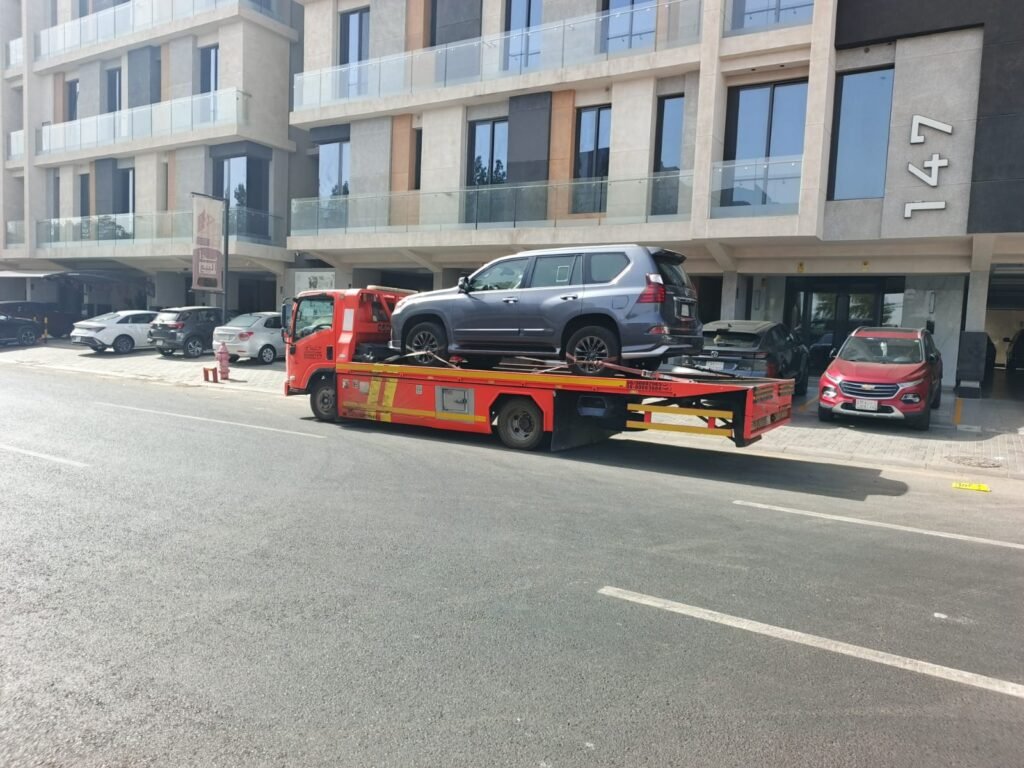
You cannot always prevent a breakdown, but you can prepare for unexpected situations.
Keep important vehicle documents and emergency contact information accessible. Check your tyres regularly, pay attention to warning lights, maintain appropriate fluid levels, and have your vehicle serviced according to its requirements.
It is also useful to keep your phone charged so you can contact Emergency Road Assistance if necessary.
Final Thoughts
A vehicle breakdown or roadside problem can turn an ordinary journey into a stressful situation. Knowing how to respond and when to request professional help can make the experience easier and safer.
From battery problems and flat tyres to fuel issues, accidents, and vehicle recovery, Emergency Road Assistance can provide practical support when a driver is unable to continue safely.
If your vehicle develops a problem, move to a safe location when possible, provide accurate information about the vehicle and its location, and explain the problem clearly. If the vehicle cannot be safely driven, professional towing or recovery may be the appropriate next step.